Neck Tension can make ordinary activities—working at a desk, looking at a phone, driving or sleeping comfortably—feel difficult. It may develop after long periods in one position, stress, muscle overuse or an awkward sleeping posture. In some cases, neck discomfort is linked to an underlying medical condition, so persistent or recurring symptoms deserve proper assessment.
Acupuncture for Neck Tension in Indore may be one option that some people discuss with a qualified practitioner as part of a broader care plan. At Sahaj Aarogyam, people can explore complementary therapy options alongside appropriate assessment and practical guidance. The right approach depends on the symptoms, medical history and individual needs; no single therapy is suitable for everyone.
What Does Neck Tension Feel Like?
Neck tension may feel like tight muscles, aching, restricted movement or discomfort when turning the head. Some people notice stiffness around the shoulders or the base of the skull. Symptoms can vary from mild tightness after work to pain that interferes with sleep or daily tasks.
Neck tension is not a diagnosis by itself. A clinician may ask when it started, which movements make it worse, whether pain travels into an arm and whether there are symptoms such as tingling, numbness, weakness, fever or a recent injury. These details help determine whether self-care, physiotherapy, medical review or another option is appropriate.
Common Factors That May Contribute
Several everyday factors can contribute to neck discomfort. Prolonged screen use and looking down at a phone may keep the neck in one position for too long. Repetitive tasks, sudden increases in activity, stress-related muscle guarding and an unsuitable pillow may also play a role.
However, not every case is caused by posture or muscle tightness. Neck pain can sometimes relate to nerve irritation, joint conditions, injury or other health issues. Avoid assuming the cause from symptoms alone, especially when pain is severe, unusual or persistent.
How Acupuncture Is Considered for Neck Tension
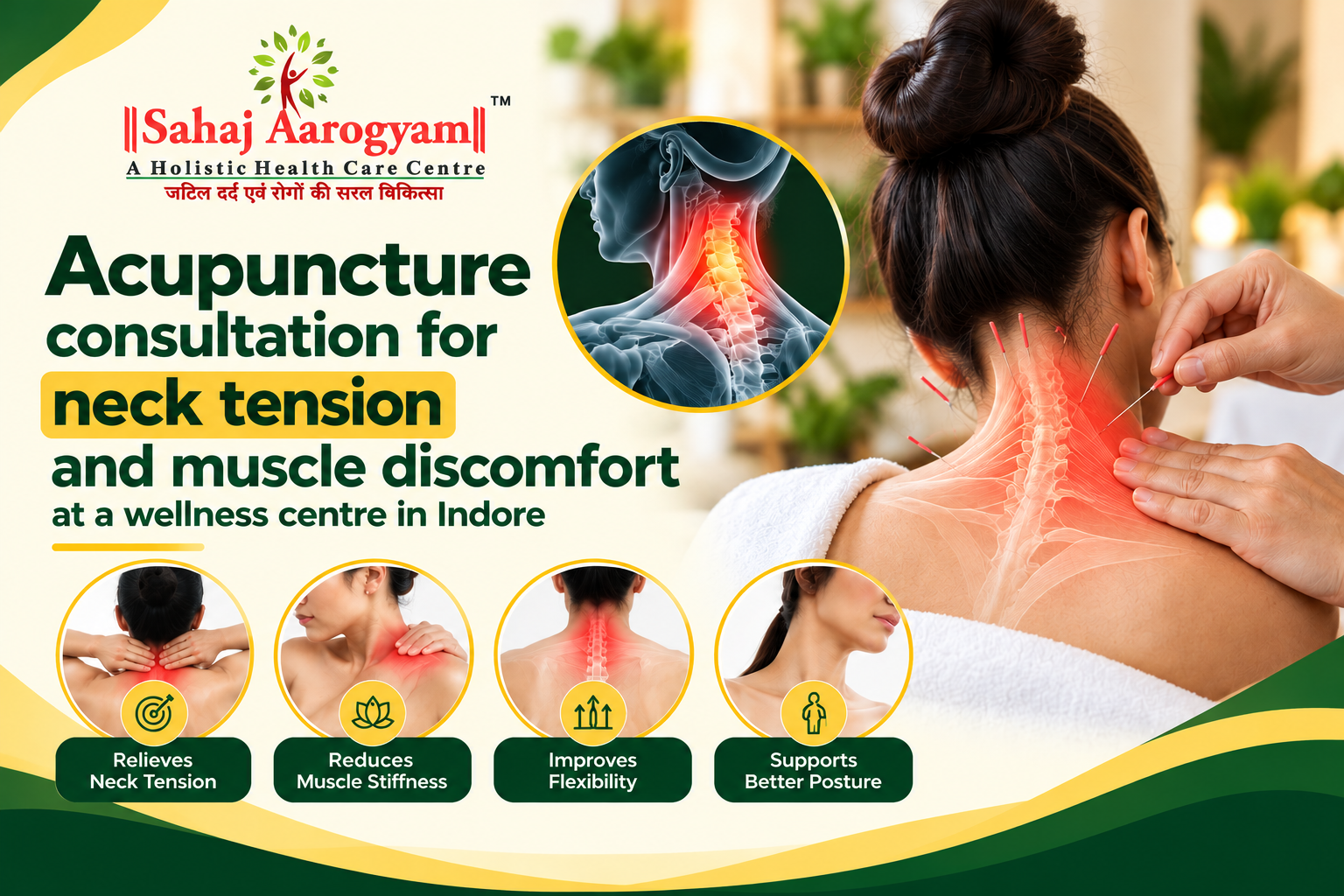
Acupuncture is a practice in which trained practitioners insert very fine needles at selected points on the body. Research on acupuncture for neck pain has reported possible benefit for some people, but the strength and consistency of evidence vary by condition, comparison treatment and study quality. It should not be presented as a guaranteed cure or a replacement for necessary medical care.
Before treatment, a qualified practitioner should discuss your symptoms, health history, medicines, previous procedures and expectations. They should explain what the session involves, possible side effects and alternatives, and answer questions before you decide. Only a trained, appropriately qualified practitioner using sterile, single-use needles should provide acupuncture.
What to Discuss Before a Session
Tell the practitioner if you take blood-thinning medicines, have a bleeding disorder, are pregnant, have a weakened immune system, have a skin infection near the proposed treatment area or have a history of fainting with needles. These details may affect whether acupuncture is suitable or whether additional precautions are needed.
Ask how your progress will be reviewed and what the plan is if symptoms do not improve. A responsible care plan should be individualised and should not discourage medical assessment when warning signs are present. If you feel uncomfortable at any point, you can pause the session and ask for an explanation.
Practical Steps That May Support Neck Comfort
Alongside professional advice, gentle movement and regular position changes may help some people manage everyday stiffness. Take short breaks from screens, keep frequently used items at a comfortable height and avoid holding the neck in one position for long periods. Use comfortable, pain-free movements rather than forcing a stretch.
Heat may provide temporary comfort for some muscle-related stiffness, while others prefer a cool pack wrapped in cloth. Avoid applying extreme temperatures directly to the skin. If an activity consistently worsens pain, modify it and seek guidance rather than pushing through it.
Physiotherapy may be useful when assessment identifies movement, strength or functional factors that need attention. A physiotherapist can recommend exercises and activity changes suited to the individual. You can learn more about Sahaj Aarogyam’s Alternative Therapies service and review the centre’s About Us page to understand its service offering.
When Should You Seek Medical Attention?
Seek urgent medical care if neck pain follows a significant accident or injury, or if it occurs with new or worsening arm or leg weakness, difficulty walking, loss of coordination, or loss of bladder or bowel control. Fever with a severe headache and a stiff neck also requires urgent assessment.
Arrange prompt medical advice if pain is severe, worsening, persistent, repeatedly returning, travelling down an arm, or accompanied by numbness or tingling. A new, unusual headache, unexplained weight loss or a history of serious illness should also be discussed with a clinician. Do not delay urgent care in order to try acupuncture or another complementary therapy.
How Sahaj Aarogyam Can Fit Into Your Care Journey
Choosing a therapy should start with understanding the problem, not with assuming one treatment will work for everyone. Sahaj Aarogyam offers a range of wellness and complementary therapy services in Indore. If you are considering acupuncture for neck tension, contact the centre to confirm current service availability, practitioner qualifications, suitability and appointment details before booking.
Use the centre’s official website to explore available services and its Google Business Profile for business information. Share your symptoms and any medical advice you have already received so the team can guide you toward an appropriate next step. Treatment decisions should be made with a qualified professional and based on your individual circumstances.
Conclusion
Neck tension can have several causes, and the most useful approach depends on its pattern, severity and effect on daily life. Acupuncture may be considered by some people as a complementary option, but benefits are not guaranteed and safe practice matters. A careful assessment, sensible activity adjustments and timely medical advice can help you make an informed decision.
If you are looking into acupuncture for neck tension in Indore, speak with a qualified practitioner at Sahaj Aarogyam about your symptoms, treatment options and whether this approach is appropriate for you.
Frequently Asked Questions
Can acupuncture help with neck tension?
Some people report improvement, and research suggests possible benefit for certain types of neck pain. Results vary, and acupuncture is not guaranteed to work for everyone.
How many acupuncture sessions will I need?
There is no single schedule for everyone. The appropriate number, if any, depends on your symptoms, assessment, response and the practitioner’s advice.
Is acupuncture painful?
People may feel a brief prick, pressure or tingling. Experiences differ. Tell the practitioner if you feel significant pain, dizziness or discomfort.
Is acupuncture safe for neck pain?
When performed by an appropriately trained practitioner using sterile, single-use needles, it is generally considered low risk, but side effects and risks can occur. Discuss your health history first.
Can I try acupuncture after a neck injury?
A recent or significant injury should be assessed medically first. Do not use acupuncture as a substitute for urgent evaluation when injury or warning signs are present.
Should I choose acupuncture or physiotherapy?
It depends on the cause and your needs. Physiotherapy may address movement, strength and function, while acupuncture may be considered as a complementary option. A qualified clinician can help you compare approaches.
Can poor posture cause neck tension?
Holding one position for long periods may contribute to discomfort, but neck pain can have many causes. Persistent symptoms should not automatically be blamed on posture.
What should I tell the practitioner before acupuncture?
Share your symptoms, medical conditions, medicines, pregnancy status if relevant, bleeding concerns, previous treatment and any history of fainting with needles.
When is neck pain an emergency?
Seek urgent care for neck pain after major trauma, new weakness, difficulty walking, loss of coordination or bladder/bowel control, or fever with a severe headache and stiff neck.
How do I contact Sahaj Aarogyam about acupuncture?
Visit the official Sahaj Aarogyam website or its Google Business Profile to check current services and contact details. Confirm availability and practitioner qualifications before scheduling.