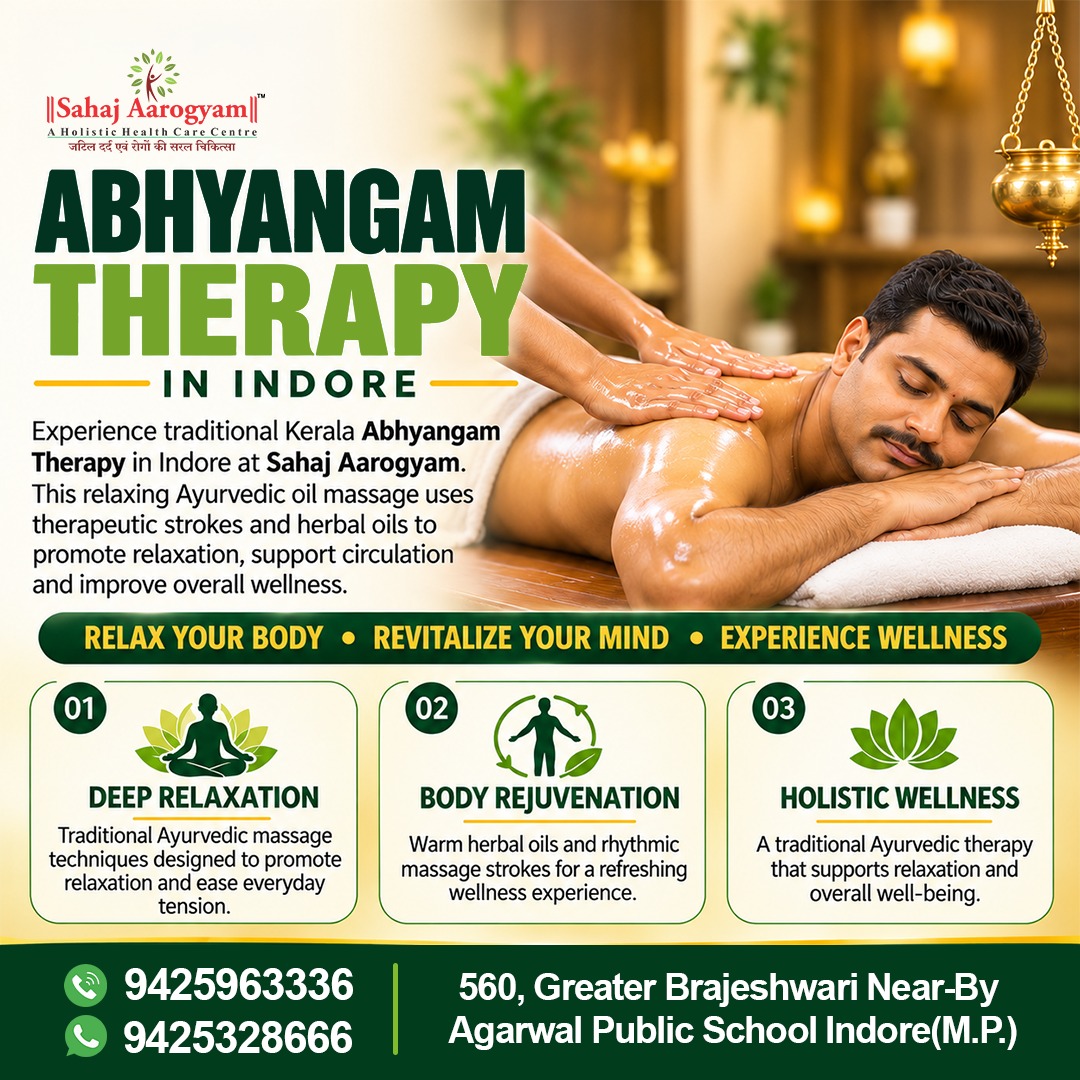
Understanding the Traditional Ayurvedic Oil Massage
Ayurveda has a long history of traditional wellness practices that focus on maintaining balance between the body and mind. One such practice is Abhyangam, a traditional Ayurvedic oil massage that involves applying warm oil to the body using specific massage movements. It is traditionally included in Ayurvedic daily routines and wellness therapies.
People looking for relaxation and traditional wellness experiences may explore Abhyangam Therapy in Indore. The therapy generally involves selected Ayurvedic oils and systematic massage techniques, depending on individual requirements and the practitioner's guidance.
Abhyangam is different from an ordinary body massage because it follows traditional Ayurvedic principles involving oil selection, massage movements and application techniques. Understanding its procedure, traditional benefits and precautions can help individuals make informed decisions before considering this therapy.
What Is Abhyangam Therapy in Ayurveda?
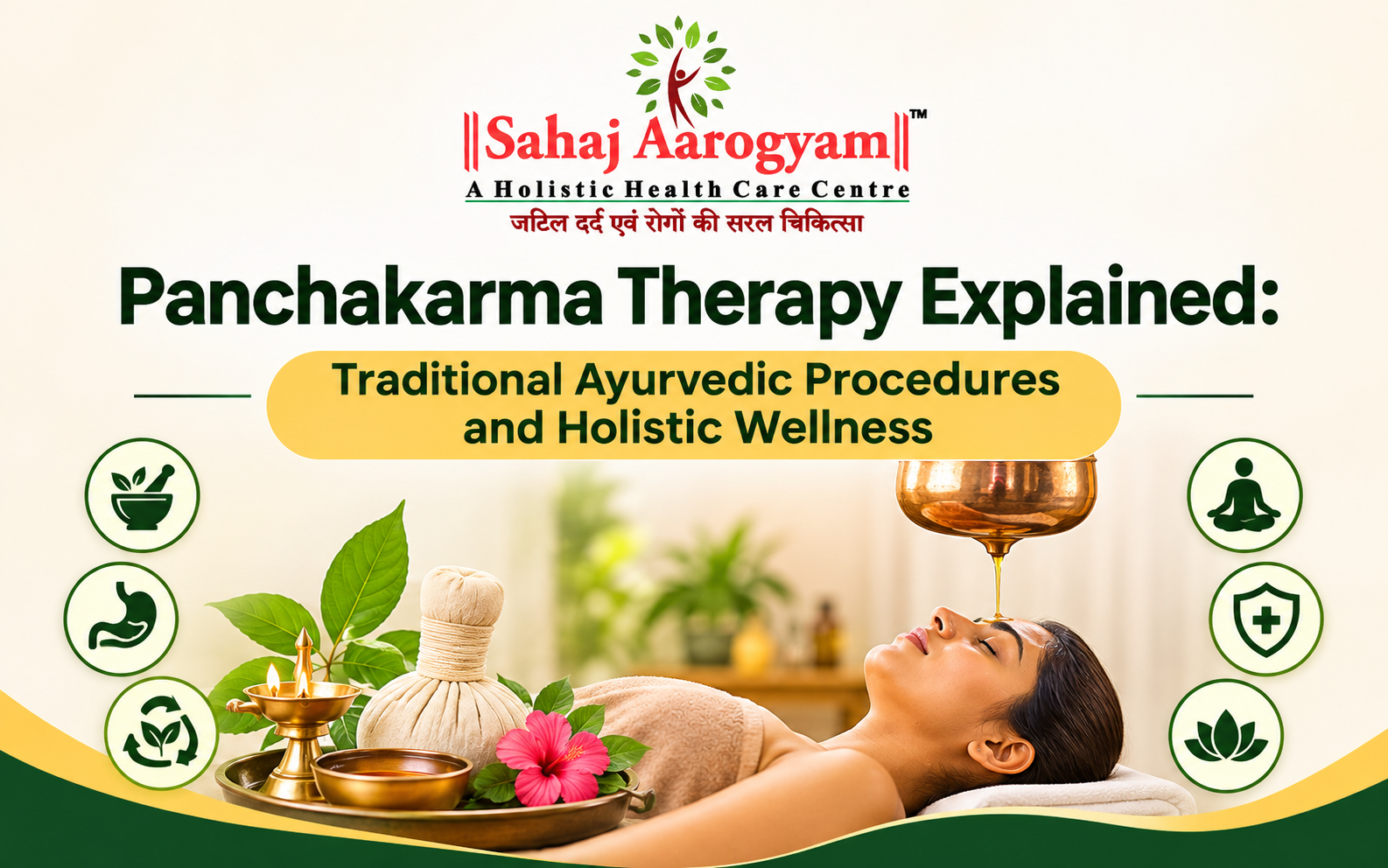
Abhyangam is a traditional Ayurvedic oil massage in which warm oil is applied to different parts of the body using systematic massage movements. The word is associated with the practice of oil application and massage in Ayurveda.
During the therapy, a practitioner uses rhythmic and structured movements to massage the body. The type of oil, massage technique and duration may vary according to the person's requirements and the practitioner's assessment.
Traditional Ayurvedic practice associates Abhyangam with relaxation, skin nourishment and general wellness. It is also described as a practice intended to support physical comfort and personal care.
It is important to understand that Abhyangam is a traditional wellness therapy. It should not be considered a substitute for medical diagnosis or prescribed treatment.
What Is the Traditional Significance of Abhyangam?
In Ayurveda, Abhyangam is traditionally included in Dinacharya, which refers to daily wellness practices. Oil massage has historically been used as part of routines intended to maintain personal care and support a balanced lifestyle.
The practice emphasizes the use of suitable oils and appropriate massage techniques. Traditional Ayurvedic principles may consider factors such as an individual's constitution, seasonal conditions and wellness requirements when selecting the oil and procedure.
Abhyangam is also used as part of certain Ayurvedic treatment plans under practitioner supervision. The exact approach depends on the purpose of the therapy and the person's overall condition.
How Is Abhyangam Different from a Regular Body Massage?
Although both practices involve massage, Abhyangam follows traditional Ayurvedic principles.
Some important differences include:
-
Oil selection: Abhyangam generally uses oils selected according to traditional Ayurvedic considerations and individual requirements.
-
Massage technique: It involves systematic and rhythmic movements rather than only general relaxation massage techniques.
-
Traditional approach: The procedure may be planned according to Ayurvedic principles and the practitioner's assessment.
-
Wellness focus: Abhyangam is traditionally associated with body care, relaxation and general well-being.
A regular body massage may follow different techniques and objectives depending on the service provider.
How Is Abhyangam Therapy Performed?
Abhyangam generally follows a structured process. The exact procedure may vary depending on the Ayurvedic centre, the type of oil used and the individual's requirements.
1. Initial Consultation
Before starting the therapy, the practitioner may discuss the person's general health, wellness goals, allergies and existing medical concerns. This helps determine whether the therapy is suitable.
2. Selection of Ayurvedic Oil
The practitioner selects an appropriate oil based on traditional Ayurvedic considerations. Different herbal oils may be used depending on the treatment approach and individual requirements.
3. Preparation of the Oil
The selected oil is generally warmed to a comfortable temperature. It should never be excessively hot, as this may cause skin irritation or burns.
4. Application of Oil
The oil is applied to different areas of the body. The practitioner uses appropriate quantities and ensures that the application is comfortable.
5. Traditional Massage Movements
The practitioner performs systematic massage movements across the body. Different body areas may require different techniques and levels of pressure.
6. Completion and Aftercare
After the massage, the practitioner may provide instructions regarding rest, bathing and general aftercare. These instructions can vary according to the therapy plan.
Which Ayurvedic Oils Are Commonly Used in Abhyangam?
Oil selection is an important part of traditional Abhyangam practice. The type of oil may depend on the individual's needs, skin condition and the practitioner's recommendations.
Some commonly used oil categories include:
-
Sesame oil: Traditionally used in several Ayurvedic massage practices.
-
Coconut oil: Often selected for its lighter texture and suitability in certain applications.
-
Herbal oils: Prepared with selected herbs according to traditional Ayurvedic formulations.
-
Medicated Ayurvedic oils: Used under professional guidance as part of specific Ayurvedic treatment approaches.
Not every oil is suitable for everyone. People with sensitive skin or known allergies should inform the practitioner before the session. A suitable oil should be selected after considering individual requirements.
What Are the Traditional Benefits of Abhyangam Therapy?
Abhyangam is traditionally associated with several wellness benefits. Individual experiences may differ, and these traditional uses should not be interpreted as guaranteed medical outcomes.
Supports Relaxation
The gentle and rhythmic movements used during Abhyangam may provide a relaxing experience. Some individuals choose the therapy as part of their personal wellness routine.
Supports Skin Care
Oil application helps moisturize the skin. The traditional practice of Abhyangam is also associated with skin nourishment and regular body care.
Promotes a Sense of Physical Comfort
The massage process may help individuals feel relaxed and physically comfortable. The experience depends on the technique, pressure and individual response.
Encourages a Wellness Routine
Abhyangam can be included in a broader self-care routine involving adequate rest, balanced nutrition and healthy daily habits.
Provides a Traditional Ayurvedic Experience
People interested in Ayurveda may consider Abhyangam to understand and experience a traditional oil massage practice under appropriate professional guidance.
How Does Abhyangam Support Relaxation and General Wellness?
A wellness routine is not limited to one therapy. It generally involves several lifestyle practices, including regular physical activity, appropriate rest, balanced food habits and personal care.
Abhyangam may form one part of such a routine. The warm oil application and systematic massage movements can create a calming experience for some individuals.
However, it is important not to assume that the therapy can independently treat stress-related disorders, chronic pain or other medical conditions. Anyone experiencing persistent physical discomfort or health concerns should seek appropriate medical advice.
Who Can Consider Abhyangam Therapy?
Adults interested in traditional Ayurvedic body care and relaxation may consider Abhyangam after consulting a qualified practitioner.
The therapy may be considered by people who:
-
Want to explore traditional Ayurvedic wellness practices.
-
Prefer oil-based body massage as part of personal care.
-
Are interested in relaxation and general well-being.
-
Want guidance about incorporating traditional Ayurvedic routines into their lifestyle.
Suitability should always be assessed individually. Age, skin condition, medical history and current health status may influence whether the therapy is appropriate.
How Frequently Should Abhyangam Therapy Be Taken?
There is no single frequency that is suitable for everyone. Traditional Ayurvedic recommendations may differ according to individual requirements, the purpose of the therapy and the practitioner's assessment.
Some people may explore it occasionally as part of a wellness routine, while others may receive a specific schedule as part of a supervised Ayurvedic treatment plan.
It is better to follow professional guidance rather than choosing a frequency based only on general recommendations found online.
Precautions Before Abhyangam Therapy
Although Abhyangam is a traditional wellness practice, certain precautions are important before undergoing the procedure.
Consider the following points:
-
Inform the practitioner about any known oil, herbal ingredient or fragrance allergies.
-
Discuss existing skin conditions, wounds, infections or irritation.
-
Inform the practitioner about recent injuries, surgeries or ongoing medical treatment.
-
Avoid massage over areas with active skin infections or open wounds.
-
Discuss any history of serious medical conditions before starting.
-
Do not proceed if you have fever or an acute illness without appropriate medical advice.
-
Ensure that the oil temperature is comfortable before application.
-
Choose a centre that follows appropriate hygiene and professional practices.
People who are pregnant or have medical conditions that may affect the safety of massage should consult their healthcare professional before considering the therapy.
Who Should Avoid or Postpone Abhyangam Therapy?
Abhyangam may not be appropriate in every situation. A practitioner may recommend postponing or avoiding the procedure depending on an individual's health.
Extra caution is necessary in cases involving:
-
Fever or acute illness.
-
Active skin infections, wounds or severe skin irritation.
-
Recent surgery or significant injury.
-
Known allergies to the oils or ingredients being used.
-
Medical conditions for which massage may be unsuitable.
-
Any unexplained or severe physical symptoms requiring medical evaluation.
If there is uncertainty about suitability, seek advice from a qualified healthcare professional before proceeding.
What Should You Do After an Abhyangam Therapy Session?
Aftercare instructions may vary according to the type of oil, massage technique and individual requirements.
Some general considerations include:
-
Follow the practitioner's instructions regarding bathing and oil removal.
-
Allow yourself adequate time to rest if needed.
-
Maintain normal hydration according to your needs.
-
Avoid vigorous activities immediately if you feel tired or uncomfortable.
-
Observe your skin for any irritation or allergic reaction.
-
Inform the practitioner if you experience unusual discomfort.
If you develop a significant reaction, persistent irritation or other concerning symptoms, seek medical advice.
Choosing an Abhyangam Therapy Centre in Indore
Selecting an appropriate centre is an important part of the experience. People searching for Abhyangam Therapy in Indore should consider more than the availability or price of the service.
Before choosing a centre, look for the following:
Qualified Professional Guidance: The therapy should be provided under the guidance of appropriately qualified Ayurvedic professionals.
Personalized Assessment: The centre should understand your requirements and discuss relevant health concerns before beginning the procedure.
Appropriate Oil Selection: The practitioner should explain which oil is being used and whether it is suitable for your skin and individual needs.
Hygiene Standards: Treatment rooms, massage equipment, towels and other materials should be maintained properly.
Clear Information: The centre should explain the procedure, expected duration, precautions and aftercare without making unrealistic promises.
Transparent Communication: You should be able to ask questions and understand the therapy before deciding to proceed.
If you are exploring Ayurvedic wellness services in Indore, Sahaj Aarogyam provides an opportunity to learn more about its available services and approach to wellness.
You can visit the Sahaj Aarogyam official website to explore its services and treatment information.
For directions and business information, explore the Sahaj Aarogyam Ayurveda and Wellness Google Business Profile.
You can also find additional business information through the Sahaj Aarogyam Healthcare and Rehabilitation Google Business Profile.
For wellness updates, announcements and useful information, connect with Sahaj Aarogyam on X.
For video-based information and updates, visit the Sahaj Aarogyam YouTube channel.
You can also follow the centre's activities and updates through its Facebook page.
Conclusion
Abhyangam is a traditional Ayurvedic oil massage that focuses on systematic oil application and massage techniques. It is traditionally associated with relaxation, skin nourishment and general wellness. The selection of oil, procedure and frequency may vary according to individual requirements and professional guidance.
Before considering Abhyangam Therapy in Indore, it is important to understand the procedure, discuss relevant health concerns and follow appropriate precautions. Choosing a centre that prioritizes hygiene, professional guidance and clear communication can help make the experience more informed and comfortable.
Sahaj Aarogyam offers an opportunity to explore Ayurvedic and wellness-related services in Indore. Contact the centre or visit its official website to learn about available services and determine whether a particular therapy is suitable for your needs.
Frequently Asked Questions (FAQs)
1. What is Abhyangam Therapy in Ayurveda?
Abhyangam is a traditional Ayurvedic oil massage in which warm oil is applied to the body using systematic massage movements. It is traditionally included in Ayurvedic wellness routines.
2. How is Abhyangam Therapy performed?
The procedure generally involves an initial consultation, selection of suitable Ayurvedic oil, oil application and rhythmic massage movements. The exact technique depends on individual requirements and the practitioner's guidance.
3. Which oil is used in Abhyangam Therapy?
Different oils may be used, including sesame oil, coconut oil and selected herbal or medicated Ayurvedic oils. The choice depends on traditional Ayurvedic considerations and individual suitability.
4. What are the traditional benefits of Abhyangam Therapy?
Abhyangam is traditionally associated with relaxation, skin nourishment, physical comfort and general wellness. Individual experiences may vary, and it is not a guaranteed treatment for medical conditions.
5. Who can consider Abhyangam Therapy?
Adults interested in traditional Ayurvedic body care and relaxation may consider it after consulting a qualified practitioner. Suitability depends on individual health and medical history.
6. How long does an Abhyangam Therapy session take?
The duration can vary depending on the centre's procedure, the type of massage and individual requirements. The practitioner should explain the expected duration before the session.
7. How frequently should Abhyangam Therapy be taken?
The frequency depends on individual needs and the practitioner's recommendation. There is no universal schedule suitable for everyone.
8. What precautions should be taken before Abhyangam Therapy?
Inform the practitioner about allergies, skin conditions, injuries, recent surgery and existing medical conditions. Ensure that the oil and massage technique are suitable for you.
9. Who should avoid or postpone Abhyangam Therapy?
People with fever, acute illness, active skin infections, open wounds or certain medical conditions may need to avoid or postpone the procedure. Professional medical advice is recommended when suitability is uncertain.
10. Where can I explore Abhyangam Therapy in Indore?
You can contact Sahaj Aarogyam in Indore to learn about its Ayurvedic and wellness services, ask about therapy availability and discuss whether the procedure is appropriate for your individual requirements.