
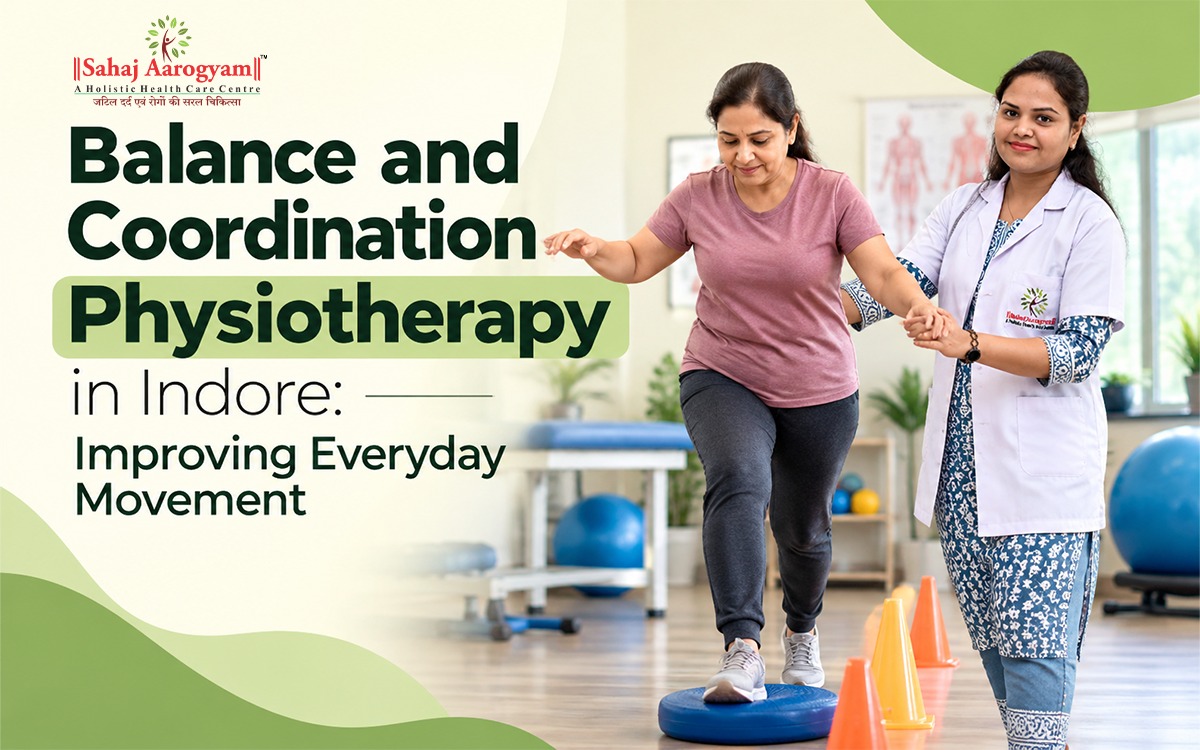
Walking across a busy street, climbing stairs, getting up from a chair or turning quickly while moving are activities that many people perform without thinking. These movements depend on balance, coordination, muscle strength and the body's ability to respond to changes in position.
When these abilities become less reliable, everyday activities may feel difficult or uncomfortable. Some people notice unsteadiness while walking, difficulty standing on one leg or reduced confidence when moving around unfamiliar places.
What Do Balance and Coordination Mean?
Balance is the ability to maintain a stable position while sitting, standing or moving. Coordination involves controlling different body parts so that movements occur smoothly and purposefully.
These functions work together during activities such as walking, changing direction, reaching for objects and stepping onto uneven surfaces.
Balance and coordination depend on several systems, including vision, the inner ear, the nervous system, muscle strength and information from joints and other body tissues. A problem affecting one or more of these systems can influence stability and movement.
Occasional unsteadiness can have many causes. Repeated balance difficulties should not automatically be attributed to weak muscles or ageing; an appropriate assessment may be needed to understand what is happening.
Signs That May Indicate a Balance or Coordination Problem
Movement difficulties can appear in different ways. You may notice:
· Feeling unsteady while standing or walking.
· Needing extra support when climbing stairs.
· Difficulty changing direction or moving around obstacles.
· Reduced confidence when walking on uneven ground.
· Difficulty coordinating movements during routine activities.
· Repeated near-falls or falls.
· A noticeable decline in walking ability after an illness, injury or period of reduced activity.
These signs do not establish a diagnosis by themselves. New or worsening balance problems may require medical evaluation, particularly when accompanied by dizziness, weakness, numbness or changes in vision.
How Can Physiotherapy Support Balance and Coordination?
Physiotherapy can help assess movement and identify areas that may benefit from rehabilitation. The treatment plan depends on the person's health, abilities, symptoms and goals.
1. Movement and Functional Assessment
The physiotherapist may review walking patterns, posture, lower-limb strength, joint movement and the ability to maintain stability during suitable tasks. The assessment may also consider whether symptoms change with head movements, changes in position or particular activities. If the findings suggest a medical or neurological concern requiring further investigation, referral may be appropriate.
2. Strength and Mobility Exercises
Muscle weakness and restricted movement can affect how confidently a person performs everyday tasks. When appropriate, a rehabilitation plan may include exercises targeting the legs, hips, trunk and relevant joints. Exercises should match the person's current abilities and progress gradually as tolerated.
3. Balance Training
Depending on the assessment, exercises may involve controlled weight shifting, supported standing, stepping or practising changes in direction. More challenging activities should only be introduced when suitable and with appropriate support. People with significant unsteadiness should not attempt difficult balance exercises alone.
4. Walking and Coordination Practice
Some rehabilitation plans include practising walking, turning, stepping over low obstacles or performing other functional movements. The goal is to improve control during activities relevant to the person's everyday routine. Progress should be reviewed rather than assuming that the same exercises will suit everyone.
5. Personalised Home Guidance
A physiotherapist may recommend suitable home exercises and practical adjustments based on the person's needs. This could include using appropriate support, improving lighting, removing trip hazards and keeping frequently used objects within easy reach. For people at risk of falling, safety should take priority over performing more repetitions or attempting difficult exercises independently.
Who May Benefit From a Balance Assessment?
A balance-focused physiotherapy assessment may be considered for different groups, depending on the underlying cause.
Older adults: Changes in strength, mobility, vision or other health factors may affect stability. Assessment can help identify physical limitations and potential rehabilitation needs.
People recovering from an injury: Reduced activity during recovery may affect strength, movement confidence and functional ability.
People returning to everyday activity after illness: Some individuals may need gradual rehabilitation after a period of reduced mobility, depending on their medical condition and recovery stage.
People experiencing movement difficulties: Repeated unsteadiness, coordination problems or difficulty with routine activities may warrant professional assessment to determine the appropriate next step.
People recovering from certain neurological conditions: Balance rehabilitation may form part of a wider, medically guided recovery plan. The exercises and level of supervision depend on the person's condition.
Physiotherapy is not a substitute for diagnosing the underlying cause of unexplained dizziness, sudden unsteadiness or new neurological symptoms.
Simple Ways to Make Everyday Movement Safer
Alongside appropriate professional guidance, a few practical changes may help reduce avoidable hazards at home:
· Keep walking paths clear of loose objects and trailing wires.
· Use adequate lighting, particularly near stairs and bathrooms.
· Wear secure footwear that fits properly.
· Use handrails where available.
· Avoid rushing when getting up or changing direction.
· Follow prescribed exercises and use recommended walking aids correctly.
· Ask a healthcare professional to review recurring falls or near-falls.
Do not begin unsupported standing exercises or challenging balance drills if you already feel unstable. A safe starting point depends on your individual assessment.
When Should You Seek Medical Attention?
Some balance symptoms need urgent attention rather than a routine physiotherapy appointment.
Seek emergency medical care if sudden unsteadiness occurs with facial drooping, weakness or numbness on one side, difficulty speaking, sudden vision changes, a severe unexplained headache or other possible stroke symptoms.
New severe dizziness, fainting, chest pain, breathing difficulty or an inability to walk safely also warrants prompt medical assessment. Recurrent falls, progressive coordination difficulties or persistent dizziness should be discussed with a qualified healthcare professional.
Balance and Coordination Physiotherapy at Sahaj Aarogyam, Indore
Improving movement begins with understanding the reason for the difficulty. A structured assessment can help identify relevant physical limitations and determine whether physiotherapy, further medical evaluation or another form of care is appropriate.
Sahaj Aarogyam offers physiotherapy and rehabilitation services in Indore. The approach can be discussed according to individual concerns, functional needs and treatment suitability.
Learn more: https://sahajaarogyam.com/sahaj-main/public/index.php/our-expert-team/dr-nirmal-saklecha
Official website: https://www.sahajaarogyam.com/
Google Business Profile: https://share.google/YeVYpNSmi6vLoMeJE
Frequently Asked Questions
1. What is balance and coordination physiotherapy?
It involves assessing movement and, when appropriate, using individualised exercises to address balance, coordination, strength and functional mobility.
2. Can physiotherapy help if I feel unsteady while walking?
Physiotherapy may help when physical limitations contribute to unsteadiness. However, the cause should be assessed, especially if the problem is new, persistent or worsening.
3. Are balance exercises suitable for older adults?
Some older adults may benefit from appropriately selected balance and strength exercises. The level of difficulty and supervision should reflect their health, mobility and fall risk.
4. Can poor muscle strength affect balance?
Muscle weakness can contribute to movement difficulties, but balance also depends on vision, the inner ear, the nervous system and other factors. An assessment can help identify relevant limitations.
5. How often should balance exercises be performed?
Frequency depends on the person's condition, exercise tolerance and treatment plan. Follow the instructions provided by a qualified healthcare professional rather than adopting a generic routine.
6. Can balance physiotherapy help after an injury?
It may form part of rehabilitation when appropriate. Exercises should be selected according to the injury, healing stage and the person's functional abilities.
7. Should I practise balance exercises at home if I have fallen before?
Consult a healthcare professional first. If you are at risk of falling, exercises may need supervision, support or modification to help reduce injury risk.
8. Is dizziness the same as a balance problem?
No. Dizziness may involve spinning sensations, light-headedness or other symptoms, while balance difficulties involve maintaining stability. They can overlap, but their causes and treatments may differ.
9. When should balance problems be checked by a doctor?
New or worsening unsteadiness, recurring falls, persistent dizziness or coordination difficulties should be medically assessed. Sudden symptoms accompanied by possible stroke signs require emergency care.
10. Where can I explore physiotherapy services in Indore?
Sahaj Aarogyam offers physiotherapy and rehabilitation services in Indore. Contact the centre to discuss your concerns and whether its services are suitable for your needs.